
Hitaar Music and Art: A Journey Through Tradition and Creativity
Introduction: Discovering the Magic of Hitaar
Art has always helped people share feelings, stories, and traditions. In many cultures, music and performance bring communities together during festivals, celebrations, and important moments in life. One beautiful example of this creative tradition is Hitaar. It is more than just music or art. Hitaar is a powerful blend of music, dance, poetry, and storytelling that expresses deep human emotions.
For centuries, Hitaar has been a meaningful cultural expression connected with Arab and South Asian artistic traditions. It combines rhythm, melody, and words to create performances that touch the heart. Over time, Hitaar has evolved and adapted, mixing ancient traditions with modern creativity.
In this article, we will explore the history, meaning, techniques, styles, and modern influence of Hitaar. By the end, you will understand why this artistic tradition continues to inspire people across generations.
What Is Hitaar?
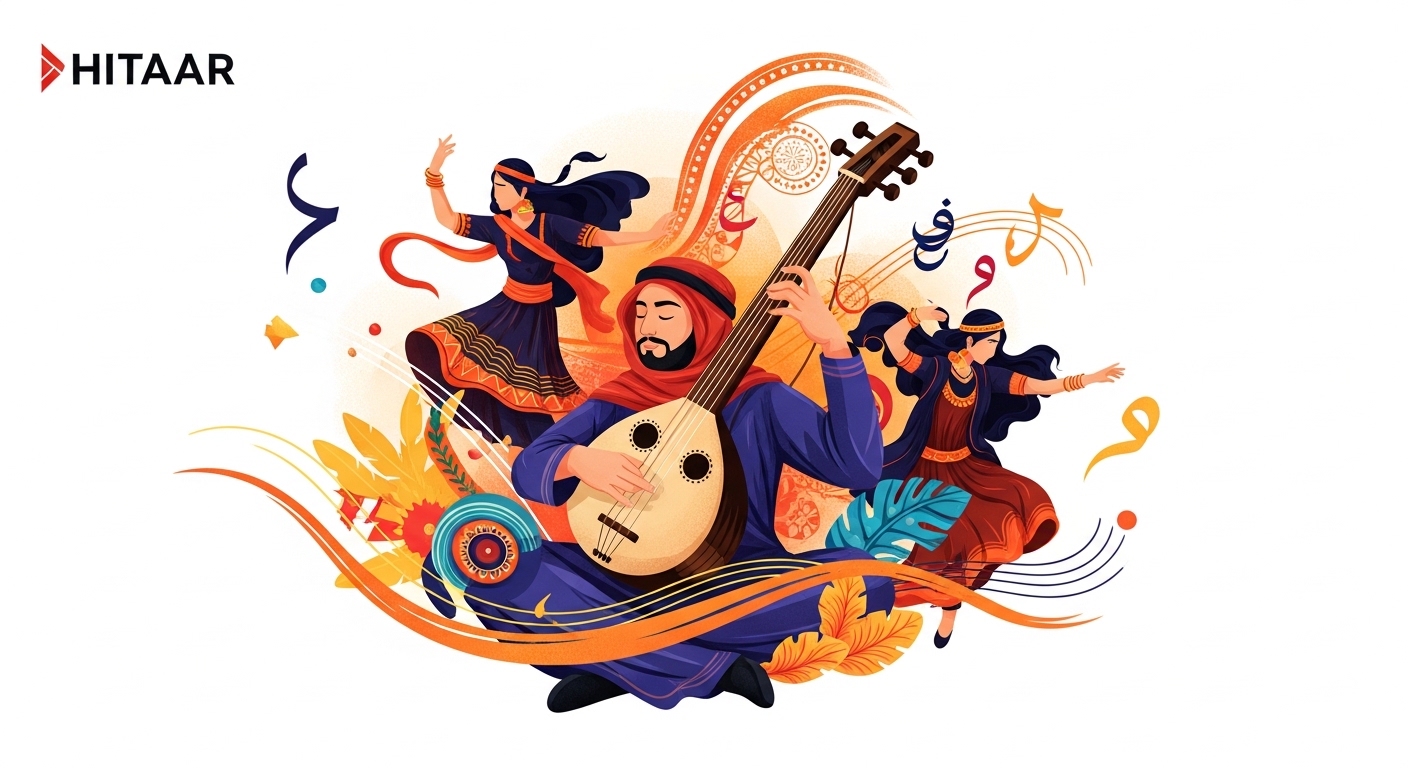
Hitaar is a multifaceted art form that blends different creative elements into one performance. It usually includes music played on traditional instruments, expressive dance movements, and poetic storytelling. Together, these elements create a powerful cultural experience.
At its core, Hitaar focuses on emotional expression. Artists use rhythm, melody, and words to communicate feelings such as happiness, love, sadness, and hope.
Key Elements of Hitaar
Hitaar performances often combine several artistic components:
- Music: Melodic sounds produced by traditional string instruments and rhythmic percussion.
- Dance: Expressive body movements that match the rhythm and emotion of the music.
- Poetry: Spoken or sung words that tell stories or express feelings.
- Storytelling: Narratives about culture, history, and human experiences.
These elements work together to create an unforgettable artistic experience that connects performers and audiences.
The Historical Roots of Hitaar
Hitaar has deep historical roots that trace back to ancient artistic traditions. Early forms of this art were often performed during community gatherings, festivals, and cultural celebrations.
In Arab and South Asian regions, music and poetry have long been important ways of sharing knowledge and culture. Storytellers and musicians would perform for communities, using songs and instruments to teach lessons, celebrate events, and entertain audiences.
Over time, these traditions evolved into what we now recognize as Hitaar. Artists began combining different forms of performance, blending music with dance and poetic storytelling. This created a richer and more engaging art form.
Cultural Importance
Hitaar became an important symbol of cultural identity. It helped communities:
- Preserve traditions and stories.
- Share emotions and experiences.
- Celebrate festivals and social gatherings.
- Pass artistic knowledge from one generation to another.
Because of its deep cultural meaning, Hitaar is often seen as a bridge between history and modern creativity.
Hitaar as a Musical Instrument Tradition
In many interpretations, Hitaar is also connected with a traditional stringed instrument used in musical performances. This instrument produces soft, melodic sounds that complement poetry and dance.
String instruments have always played a major role in cultural music across the Middle East and South Asia. Musicians use them to create rhythms and melodies that support storytelling.
Features of Hitaar-Style Instruments
Traditional instruments used in Hitaar music usually share certain features:
- Multiple strings that produce rich melodic tones.
- Hand-plucking or strumming techniques to create rhythmic patterns.
- Wooden bodies designed to amplify sound naturally.
- Decorative carvings or patterns reflecting cultural heritage.
These instruments provide the musical foundation that supports the emotional and artistic expression of Hitaar performances.
The Artistic Expression of Hitaar
Beyond music, Hitaar is known for its strong artistic and emotional expression. Performers use movement, rhythm, and poetry to tell meaningful stories.
A Hitaar performance is often carefully designed to guide the audience through a journey of emotions. The performance may begin with calm melodies, gradually build energy through dance and rhythm, and end with powerful poetic messages.
Themes Often Found in Hitaar Performances
Hitaar storytelling commonly focuses on themes that connect with human life:
- Love and relationships
- Joy and celebration
- Sadness and loss
- Cultural heritage
- Social change and hope
These themes make Hitaar relatable and meaningful for audiences of all ages.
Techniques and Styles of Hitaar
Over time, artists have developed different techniques and styles within the Hitaar tradition. Each performer adds their own creativity while respecting the roots of the art form.
Musical Techniques
Musicians often use a variety of techniques to create unique sounds.
- Finger plucking for soft melodic tones.
- Rhythmic strumming for energetic sections.
- Layered melodies combining multiple instruments.
These techniques allow musicians to express emotions through sound.
Performance Styles
Different regions and artists may present Hitaar in unique ways. Some performances focus heavily on music, while others emphasize dance or poetry.
For example:
- Traditional styles highlight cultural stories and historical themes.
- Contemporary styles blend modern music genres with classic rhythms.
This flexibility allows Hitaar to stay fresh and relevant.
The Modern Evolution of Hitaar
Like many traditional art forms, Hitaar has evolved in the modern world. New generations of artists are experimenting with creative ideas while keeping the spirit of the tradition alive.
Today, Hitaar performances may include influences from modern genres such as jazz, hip-hop, and electronic music. Technology also plays a role in recording, sharing, and promoting performances worldwide.
Modern Influences
Several factors have shaped the modern evolution of Hitaar:
- Global music trends introducing new rhythms and styles.
- Digital technology allowing artists to share performances online.
- Social movements inspiring new themes and messages.
- Cultural collaboration between artists from different regions.
These influences have helped transform Hitaar into a global artistic expression while maintaining its traditional roots.
Hitaar in Festivals and Social Gatherings
One of the most beautiful aspects of Hitaar is its role in community celebrations. Performances often take place during festivals, weddings, and cultural events.
During these gatherings, artists use music and storytelling to bring people together. Audiences participate by clapping, singing along, or simply enjoying the emotional journey of the performance.
These events help strengthen cultural connections and keep artistic traditions alive.
Why Hitaar Still Matters Today
In a fast-moving modern world, traditional arts like Hitaar play an important role. They remind people of their cultural heritage and provide a way to express emotions creatively.
Hitaar continues to inspire musicians, dancers, poets, and storytellers because it offers something special: a powerful connection between past traditions and modern creativity.
Key Reasons Hitaar Remains Important
- It preserves cultural history and storytelling traditions.
- It encourages artistic creativity and expression.
- It connects communities through shared experiences.
- It inspires new generations of artists.
By keeping these traditions alive, Hitaar helps cultures grow while honoring their roots.
The Future of Hitaar
The future of Hitaar looks bright as artists continue to explore new possibilities. With the help of technology and global collaboration, this art form can reach audiences far beyond its original cultural regions.
Young musicians and performers are learning about Hitaar and adding their own creative ideas. They mix traditional melodies with modern sounds, creating fresh interpretations that attract new audiences.
This balance between tradition and innovation ensures that Hitaar will continue to thrive in the years ahead.
Conclusion
Hitaar is more than a musical tradition. It is a beautiful fusion of music, dance, poetry, and storytelling that reflects the emotions and culture of the people who perform it. From its historical roots in community gatherings to its modern evolution influenced by global music styles, Hitaar represents the creative spirit of humanity.
By bringing together sound, movement, and words, Hitaar allows artists to share powerful stories and emotions with the world. Its ability to adapt while preserving tradition makes it a timeless art form.
Keep up with Playithic for the latest news and trends!


