RevolverTech Crew: Gaming Mechanics and Technical Stage Teams Explained
In modern digital culture, certain phrases evolve to carry multiple meanings across different industries and communities. One such phrase is RevolverTech Crew. While it might sound like a single concept at first glance, it actually represents two fascinating worlds: competitive gaming communities and technical theater teams working behind the scenes of live productions.
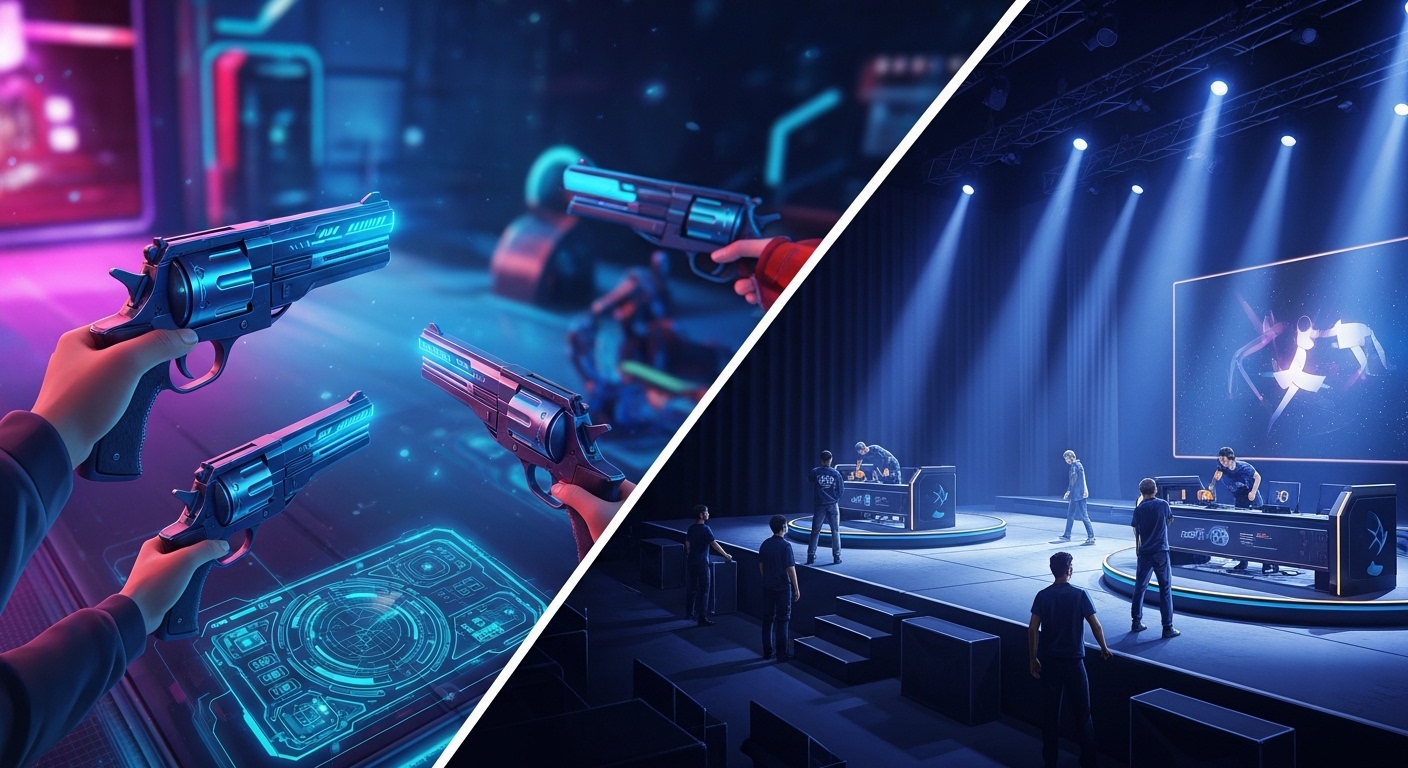
On one side, gaming communities use the term to describe players who master advanced revolver mechanics in competitive shooter games. These individuals analyze weapon behaviors, refine techniques, and share strategies that improve performance. On the other side, theater professionals use similar terminology when discussing specialized technical crews responsible for managing rotating stages, lighting systems, and backstage operations.
Understanding both contexts helps reveal how technology, skill, and teamwork intersect across creative industries. Whether it’s gamers experimenting with precise weapon mechanics or stage technicians coordinating complex performances, the concept revolves around technical mastery and collaborative innovation.
This article explores both interpretations in depth, explaining how the term is used in gaming culture and technical theater environments while highlighting the skills and teamwork that define these specialized crews.
Understanding the Meaning of RevolverTech Crew
The phrase RevolverTech Crew is a modern example of how terminology evolves across communities. In its simplest form, it refers to groups of individuals who specialize in technical skills connected to revolvers or revolving mechanisms. However, depending on the context, the interpretation changes significantly.
In gaming communities, the phrase usually describes players who focus on mastering revolver weapons in competitive shooters. These individuals study recoil patterns, reload timing, hip-fire accuracy, and movement mechanics. By analyzing these details, they develop techniques that give them a strategic advantage in fast-paced matches.
In technical theater, the concept shifts toward stagecraft. Here, “revolve” refers to rotating platforms used in stage design. The technical crew responsible for controlling these mechanisms must coordinate movement with lighting, sound cues, and actors’ positions. Their expertise ensures smooth transitions and safe performance conditions during live productions.
The Role of RevolverTech Crew in Gaming Communities
Within competitive shooter games, specialized player groups often focus on perfecting particular weapons. The RevolverTech Crew concept in gaming represents players who dedicate time to understanding every aspect of revolver mechanics, turning a simple weapon into a precision tool for competitive play.
These players experiment with techniques such as crouch-firing, movement timing, and reload canceling. Many discover subtle gameplay mechanics that casual players may never notice. Once these strategies prove effective, they are often shared through online tutorials, streams, or community discussions, helping other players improve their gameplay performance.
Beyond simply mastering mechanics, these crews contribute to the broader gaming ecosystem. Their discoveries influence how weapons are perceived, how strategies evolve, and even how developers adjust game balance in future updates. As a result, their technical insights can shape competitive gameplay across entire communities.
Why Competitive Players Study Revolver Mechanics
In competitive shooter environments, small advantages can make a major difference. Players who analyze weapon mechanics in depth gain insight into timing, accuracy, and positioning that can dramatically improve their chances of winning high-level matches.
Revolvers in many games are designed with powerful damage output but limited ammunition and slower reload speeds. Because of this balance, mastering the weapon requires precision and strategic decision-making. Players who study the mechanics closely learn when to take risks, when to reload, and how to maximize accuracy during intense firefights.
This dedication often leads to the development of new techniques that spread through gaming communities. Competitive teams, streamers, and strategy guides frequently highlight these discoveries, demonstrating how specialized knowledge can turn a challenging weapon into a powerful competitive asset.
Key Skills Shared Among RevolverTech Crew Members
Regardless of whether the term applies to gaming or theater environments, certain technical skills define the people associated with this concept. Members must combine technical understanding with teamwork and problem-solving abilities to succeed in their roles.
Common skills often include:
- Mechanical knowledge related to weapons, stage equipment, or interactive systems
- Precise timing and coordination to ensure actions occur at the right moment
- Communication and teamwork when collaborating with players or stage staff
- Problem-solving under pressure during fast-paced matches or live performances
- Continuous learning as new technologies and strategies emerge
These shared abilities highlight the underlying similarity between gaming experts and theater technicians. Both groups rely on technical mastery and collaboration to achieve optimal results within complex environments.
RevolverTech Crew in Technical Theater
In theater production, technology plays a vital role in bringing stories to life on stage. The RevolverTech Crew concept in this environment focuses on the technicians responsible for managing rotating stage platforms, commonly known as stage revolves.
These platforms allow directors to transition between scenes smoothly without closing the curtain. Entire sets can rotate into position within seconds, creating dramatic visual effects and maintaining the pace of the performance. Operating such systems requires precise timing and coordination between multiple crew members.
Stage technicians must carefully synchronize the movement of the platform with lighting cues, sound effects, and actors’ movements. Any mistake could disrupt the performance or pose safety risks. As a result, these crew members undergo extensive training and rehearsals to ensure flawless execution during live shows.
How Technology Shapes Modern Stage Crews
Theater technology has advanced significantly over the past few decades. Today’s stage crews rely on digital control systems, automated lighting rigs, and sophisticated sound equipment. These tools allow productions to achieve complex visual effects that were once impossible with traditional stagecraft.
Crew members responsible for rotating stage systems must understand both mechanical and digital components. They monitor motors, control software, and safety mechanisms that keep the platform operating smoothly throughout the performance. Regular maintenance and testing are essential to ensure reliability during demanding production schedules.
In addition to technical expertise, these professionals must maintain strong communication with directors, actors, and other technicians. Their ability to coordinate multiple systems in real time plays a crucial role in delivering seamless theatrical experiences for audiences.
Collaboration and Community in Technical Crews
Both gaming communities and theater crews thrive on collaboration. Individuals who identify with the RevolverTech Crew concept rarely work alone; instead, they operate within groups that share knowledge, experiment with techniques, and support one another’s growth.
In gaming spaces, collaboration happens through online forums, streaming platforms, and strategy discussions. Players analyze gameplay footage, test theories, and refine techniques together. This collective experimentation helps the community push the boundaries of what is possible within competitive games.
Similarly, theater crews rely heavily on teamwork. Lighting technicians, sound engineers, stage managers, and revolve operators must coordinate their actions perfectly during live performances. Their shared goal is to ensure that every technical element supports the storytelling experience without distracting the audience.
The Growing Influence of RevolverTech Culture
As gaming communities and theater technology continue to evolve, the influence of specialized technical groups continues to expand. Online platforms have made it easier than ever for experts to share their discoveries, tutorials, and insights with global audiences.
In gaming, this means strategies and mechanics spread quickly across competitive scenes. Players can learn advanced techniques through videos, guides, and community discussions, raising the overall skill level within the game. This cycle of innovation keeps gameplay fresh and engaging for dedicated players.
In theater, technological improvements allow productions to experiment with more ambitious stage designs. Rotating platforms, automated scenery, and integrated lighting systems create immersive experiences that captivate audiences. Behind every successful production is a skilled crew that understands how to operate these tools effectively.
Conclusion
The concept of RevolverTech Crew highlights how technical expertise and collaboration drive success in both gaming and theater environments. Although the phrase may appear niche, it represents a broader idea: communities of specialists who dedicate themselves to mastering complex systems.
In gaming culture, these individuals refine revolver mechanics and share strategies that improve competitive play. Their discoveries influence gameplay styles, inspire new tactics, and contribute to the evolving meta of shooter games.
In the theater world, technical crews responsible for rotating stages and backstage systems ensure that live performances run smoothly. Their coordination, technical knowledge, and attention to detail transform stage designs into dynamic storytelling tools.
Keep up with Playithic for the latest news and trends!