FintechAsia .net Telekom: APAC Telecoms Driving Digital Finance in 2026
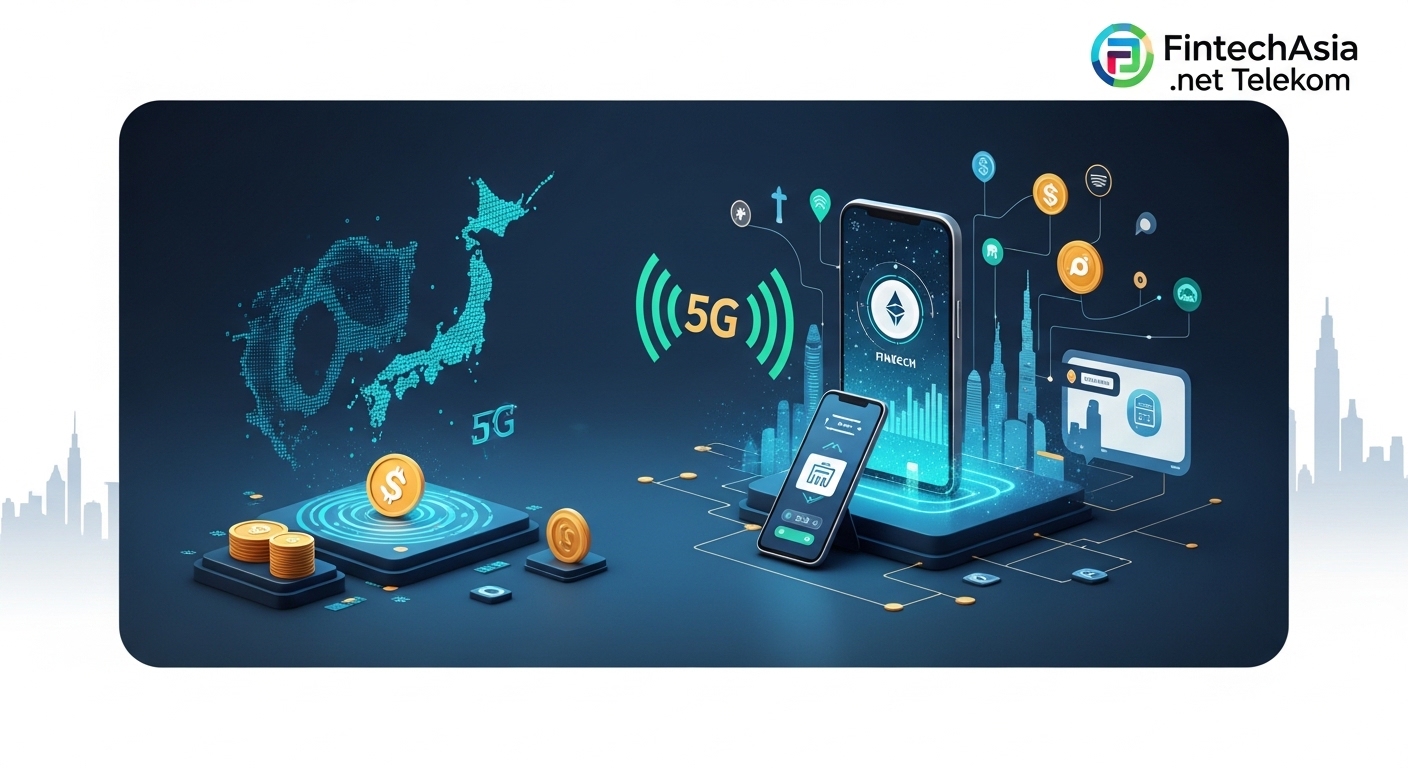
The year 2026 is shaping up to be a landmark period for the financial technology (fintech) and telecommunications (telekom) sectors in the Asia-Pacific (APAC) region. Platforms like FintechAsia .net Telekom provide a crucial window into these developments, offering news, analysis, and insights that connect consumers, businesses, and industry stakeholders. The convergence of telecom services and fintech applications is transforming how millions of people in APAC access digital finance, making financial services more inclusive, faster, and technologically advanced.
In this article, we explore the trends, technologies, and market forces driving telecom-fintech integration, along with insights into how FintechAsia .net Telekom is documenting these changes.
The Rise of Telecom-Fintech Integration
Telecommunications companies are no longer just providers of voice and data services. In 2026, APAC telecoms are increasingly offering digital financial services, including mobile banking, digital wallets, and even lending solutions. This transformation is fueled by several factors:
- Financial Inclusion: Many telecom operators aim to reach populations that traditional banks cannot easily serve, especially in rural or underserved areas.
- Revenue Diversification: As network growth stabilizes, telecoms seek new revenue streams from financial services.
- Technological Readiness: Advanced networks, including standalone 5G, provide the speed and reliability required for secure financial transactions.
Platforms like FintechAsia .net Telekom highlight these developments and explain their implications for consumers and businesses alike.
How FintechAsia .net Telekom Supports Consumers
FintechAsia .net Telekom acts as a bridge between complex financial technology news and actionable insights for users. The platform features several resources designed to make digital finance understandable:
- Crypto Facto: This section simplifies cryptocurrency and digital asset information for casual users and enthusiasts.
- Trend Reports: Detailed analysis on how telecoms integrate fintech services.
- Educational Articles: Step-by-step guides on mobile banking, digital wallets, and secure online transactions.
- Market Data: Statistics and insights into APAC fintech adoption, network performance, and customer behavior.
By providing clear explanations and easy-to-read content, FintechAsia .net Telekom ensures that even beginners can understand advanced fintech concepts.
Key APAC Trends in Telecom-Fintech Convergence
Several trends are shaping how telecoms drive digital finance across APAC in 2026.
5G and High-Speed Networks
The rollout of standalone 5G networks allows telecom operators to support real-time financial transactions and enhanced mobile banking services. High-speed connectivity ensures:
- Instant payments and transfers
- Smooth operation of mobile wallets and banking apps
- Reliable connection for online trading and investment platforms
AI and Automation
Telecom companies are increasingly integrating agentic AI to automate customer service, network monitoring, and fintech applications. Benefits include:
- Faster response times for customer queries
- Reduced operational costs for financial transactions
- Smarter fraud detection and risk management
Digital Wallets and Mobile Banking
Digital wallets are rapidly becoming standard across APAC. Telecom providers now offer secure wallet solutions that allow users to:
- Pay bills online or at stores
- Transfer money between users instantly
- Access micro-loans or credit services without a bank account
FintechAsia .net Telekom frequently reports on these innovations, explaining how each solution improves convenience and financial accessibility.
Regional Market Dynamics
The APAC telecom market is dominated by a few major players, often referred to as a “duopoly,” including companies like Jio and Airtel. Their dominance is maintained through competitive tariffs, extensive coverage, and the integration of fintech services.
Key regional factors include:
- Urban vs. Rural Access: Urban centers adopt fintech faster due to infrastructure, while rural expansion is slower but growing.
- Regulatory Support: Governments in countries like India, Singapore, and Indonesia support digital finance initiatives.
- Consumer Adoption: Millennials and Gen Z users are driving the demand for mobile-first financial solutions.
How Telecom Monetizes Fintech
Telecom operators are shifting from simple network provision to monetizing their platforms through fintech offerings. Revenue sources include:
- Transaction fees from digital payments
- Interest income from micro-lending services
- Partnerships with banks and fintech startups
This strategy not only boosts profitability but also deepens customer engagement, as users increasingly rely on telecom platforms for their financial needs.
Security and Trust
As telecoms handle sensitive financial data, security remains a top priority. Measures include:
- End-to-end encryption for all digital transactions
- AI-based fraud detection systems
- Multi-factor authentication for mobile apps
FintechAsia .net Telekom regularly reviews security protocols, helping users understand how telecoms protect their digital finances.
Case Studies Highlighted by FintechAsia .net Telekom
Airtel Payments Bank
Airtel Payments Bank in India demonstrates how telecom-fintech integration drives financial inclusion. By leveraging its mobile network, Airtel provides banking services to millions of users who previously lacked access.
JioMoney
JioMoney offers a range of services from peer-to-peer payments to bill payments. Integration with Jio’s telecom network ensures fast, reliable transactions and extensive reach across India.
Mobile Banking in Southeast Asia
Countries like Indonesia and the Philippines are witnessing rapid growth in mobile banking due to telecom partnerships. These initiatives often include digital wallets, micro-loans, and online savings programs.
FintechAsia .net Telekom provides in-depth analyses of these case studies, explaining how telecoms adapt to consumer needs and regulatory environments.
The Role of Crypto in Telecom-Fintech
The intersection of cryptocurrency and telecom is another growing area. Telecom companies are exploring ways to integrate crypto payments and blockchain solutions into their fintech platforms. Benefits include:
- Secure cross-border remittances
- Faster transaction settlements
- Transparency and reduced fraud risks
Crypto Facto on FintechAsia .net Telekom breaks down these complex concepts into digestible explanations, ensuring that even novice users can understand crypto’s role in telecom-fintech convergence.
Future Outlook for 2026 and Beyond
Looking ahead, the convergence of telecom and fintech in APAC will continue to accelerate. Key predictions include:
- Widespread adoption of AI-powered customer service and fraud detection
- Expansion of 5G-enabled financial services into rural areas
- Growth of integrated digital wallets and micro-lending platforms
- Increased collaboration between telecoms, fintech startups, and traditional banks
Platforms like FintechAsia .net Telekom will continue to provide essential insights, helping consumers, investors, and industry professionals navigate these changes.
Conclusion
The integration of telecom and fintech services in APAC is transforming digital finance in 2026. FintechAsia .net Telekom plays a pivotal role in documenting these changes, simplifying complex concepts, and educating users about emerging trends. With high-speed networks, AI integration, digital wallets, and crypto innovations, telecom companies are not only expanding their services but also making financial access more inclusive and efficient.
Keep up with Playithic for the latest news and trends!