The Complete Guide to the YEX382V3YTE Air Conditioner: Features, Benefits, and Troubleshooting
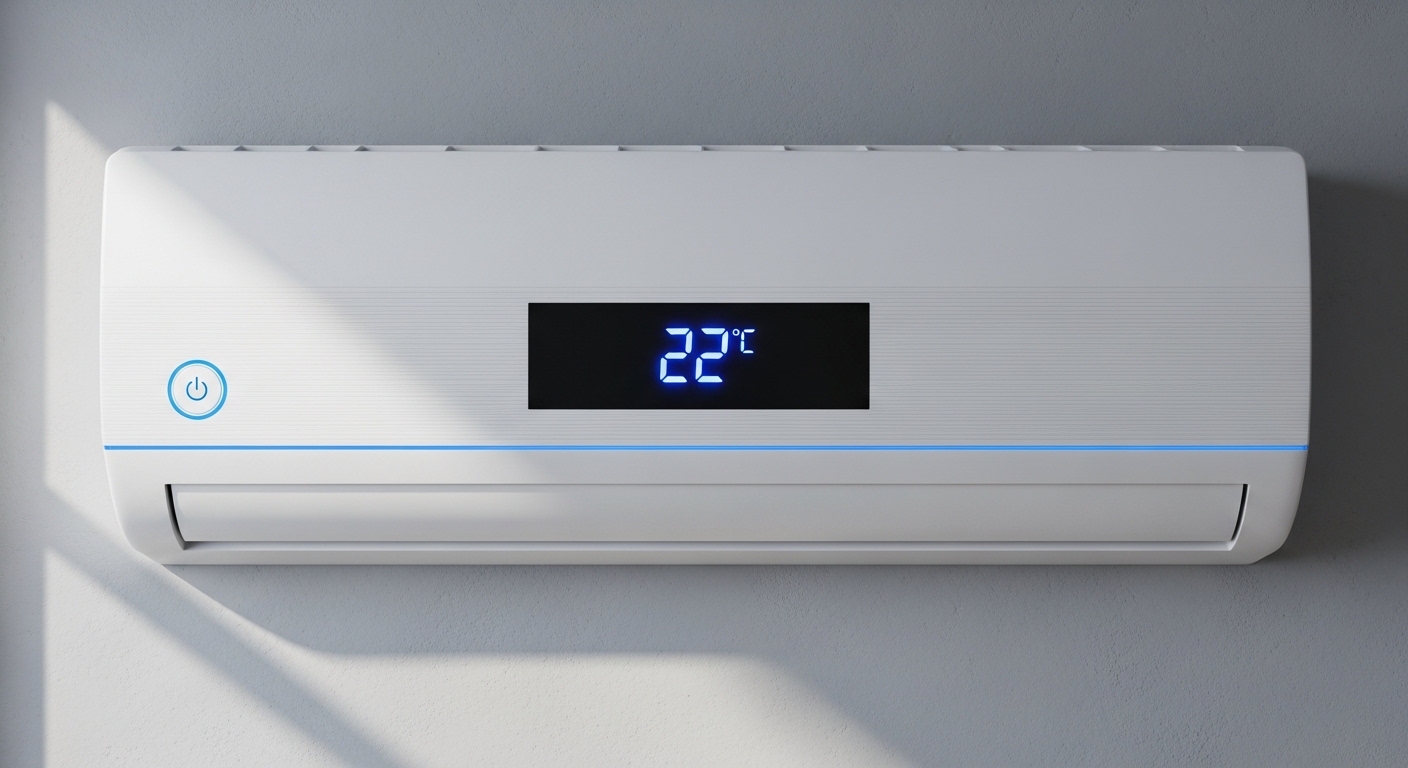
The world of air conditioning has evolved rapidly in recent years, shifting from simple cooling systems to intelligent, energy-efficient solutions powered by advanced technology. Among these innovations, the YEX382V3YTE air conditioner stands out as a next-generation system designed for both residential and commercial spaces. With its smart integration, AI-driven optimization, and high efficiency, it promises not just comfort but also convenience and sustainability.
However, like any advanced appliance, understanding how it works—and what to do when it doesn’t—is crucial for getting the most out of it. Many users often find themselves asking questions about performance, installation, maintenance, and especially troubleshooting issues when the system fails to operate as expected. This comprehensive guide explores everything you need to know, from features and benefits to common problems and solutions.
Whether you’re planning to invest in a modern cooling solution or already own one and want to optimize its performance, this article will provide clear, in-depth insights to help you make informed decisions.
Understanding the YEX382V3YTE Air Conditioner and Its Core Technology
The YEX382V3YTE air conditioner represents a significant leap forward in cooling technology. Unlike traditional systems that rely on manual settings and fixed operation modes, this unit incorporates artificial intelligence to analyze environmental conditions and adjust cooling output accordingly. This means the system learns user preferences over time and fine-tunes its performance to maximize comfort while minimizing energy consumption.
One of the standout features of this air conditioner is its smart integration capability. It can connect seamlessly with mobile apps, home automation systems, and even voice-controlled devices. This allows users to control temperature, fan speed, and scheduling remotely, making it a highly convenient option for modern households and workplaces. The integration also enables real-time monitoring, so users can track energy usage and system performance effortlessly.
Another key aspect of its technology is its advanced compressor design. The inverter-driven compressor adjusts its speed dynamically instead of switching on and off repeatedly. This not only reduces energy consumption but also ensures consistent cooling without sudden temperature fluctuations. As a result, users experience a quieter and more stable indoor environment.
Key Features That Make This Air Conditioner Stand Out
One of the defining characteristics of this system is its AI-driven optimization. The built-in intelligence allows it to analyze factors such as room occupancy, external temperature, and humidity levels. Based on this data, the system automatically adjusts its operation to maintain optimal comfort while reducing unnecessary energy use. This feature is particularly beneficial for large spaces where temperature control can be challenging.
Another notable feature is its high energy efficiency rating. The unit is designed to consume significantly less electricity compared to conventional air conditioners. This not only reduces utility bills but also makes it an environmentally friendly choice. The system often includes eco modes and sleep modes that further enhance efficiency by adjusting cooling levels during periods of low activity.
Durability and build quality also play a major role in its appeal. The system is constructed with high-quality materials that ensure long-term performance and reliability. Additionally, its advanced filtration system helps improve indoor air quality by removing dust, allergens, and pollutants. This makes it an excellent choice for users who prioritize both comfort and health.
Benefits of Using a Smart AI-Integrated Cooling System
One of the biggest advantages of using an AI-integrated air conditioner is convenience. With smart controls, users can manage their cooling system from anywhere, whether they are at home, at work, or traveling. This level of control allows for better planning and ensures that the indoor environment is always comfortable upon arrival.
Energy savings are another significant benefit. Traditional air conditioners often consume excessive power due to inefficient operation. In contrast, AI-driven systems optimize energy usage by adjusting performance based on real-time conditions. Over time, this can lead to substantial cost savings, making the initial investment worthwhile.
Comfort is also greatly enhanced with this technology. The system maintains consistent temperatures and adapts to changes in the environment automatically. This eliminates the need for constant manual adjustments and ensures a more pleasant living or working space. Additionally, the quieter operation improves overall user experience, especially in bedrooms and offices.
Installation and Setup: What You Need to Know
Proper installation is crucial for ensuring optimal performance and longevity. The system should be installed by a qualified technician who understands the specific requirements of advanced air conditioning units. This includes selecting the right location, ensuring proper insulation, and setting up electrical connections correctly.
The placement of the indoor and outdoor units plays a significant role in efficiency. The indoor unit should be positioned where airflow is unobstructed, while the outdoor unit should be placed in a well-ventilated area to prevent overheating. Incorrect placement can lead to reduced cooling performance and increased energy consumption.
Once installed, the setup process involves connecting the system to a smart device or application. This allows users to configure settings, create schedules, and monitor performance. Proper setup ensures that all smart features function as intended, providing maximum convenience and efficiency.
Maintenance Tips for Long-Term Performance
Regular maintenance is essential to keep the system running smoothly. Cleaning the air filters is one of the simplest yet most effective ways to maintain performance. Dirty filters can restrict airflow, reduce cooling efficiency, and increase energy consumption. It is recommended to clean or replace filters periodically.
The outdoor unit also requires attention. Dust, debris, and leaves can accumulate around the unit, affecting its ability to dissipate heat. Keeping the area clean and ensuring proper ventilation can significantly improve performance and prevent potential issues.
Professional servicing is equally important. Scheduling periodic inspections with a qualified technician can help identify and resolve problems before they become serious. This includes checking refrigerant levels, inspecting electrical components, and ensuring that all parts are functioning correctly.
Why Is My YEX382V3YTE Air Conditioner Not Working?
Experiencing issues with your cooling system can be frustrating, especially during hot weather. There are several reasons why your unit might not be functioning properly, ranging from minor issues to more complex technical problems. Understanding these causes can help you troubleshoot effectively and restore performance quickly.
One common reason for malfunction is a power supply issue. If the unit is not turning on, it could be due to a tripped circuit breaker, faulty wiring, or a disconnected power source. Checking the power supply and ensuring that all connections are secure is the first step in troubleshooting.
Another possible cause is a malfunctioning thermostat or sensor. If the system is not cooling properly, it might be receiving incorrect temperature readings. This can lead to inconsistent cooling or failure to operate altogether. In such cases, recalibrating or replacing the thermostat may be necessary.
Common Problems and Troubleshooting Solutions
When dealing with cooling issues, it is helpful to identify the specific problem before attempting a solution. Below are some common problems and their potential fixes:
- Unit not turning on: Check power supply, circuit breaker, and remote control batteries.
- Insufficient cooling: Clean air filters, ensure proper airflow, and check thermostat settings.
- Unusual noises: Inspect for loose components or debris inside the unit.
- Water leakage: Check drainage system and ensure proper installation.
- Frequent cycling: Verify thermostat placement and inspect for sensor issues.
Each of these problems can often be resolved with basic troubleshooting steps. However, if the issue persists, it is advisable to seek professional assistance to avoid further damage.
Energy Efficiency and Cost Savings Explained
Energy efficiency is one of the most appealing aspects of modern air conditioning systems. The advanced technology used in this unit allows it to operate with minimal energy waste. By adjusting compressor speed and optimizing cooling cycles, it ensures that energy is used only when necessary.
This efficiency translates into significant cost savings over time. While the initial purchase price may be higher than traditional systems, the reduction in electricity bills can offset the cost in the long run. Additionally, many regions offer incentives for using energy-efficient appliances, further enhancing savings.
Another factor contributing to cost savings is reduced maintenance requirements. The durable design and intelligent operation minimize wear and tear, resulting in fewer repairs and longer lifespan. This makes it a cost-effective choice for both residential and commercial use.
Comparing This Model with Traditional Air Conditioners
Traditional air conditioners operate on a fixed-speed compressor system, which means they turn on and off repeatedly to maintain temperature. This results in higher energy consumption and inconsistent cooling. In contrast, modern systems use inverter technology to provide continuous and efficient operation.
Another key difference lies in smart functionality. Conventional units lack connectivity and remote control features, making them less convenient to use. Advanced systems, on the other hand, offer seamless integration with smart devices, allowing users to control settings effortlessly.
The overall user experience is also significantly improved with modern technology. From quieter operation to better air quality and enhanced comfort, the benefits of upgrading to a next-generation system are clear.
Future of Smart Air Conditioning Technology
The future of air conditioning lies in further integration of artificial intelligence and smart technologies. Systems are expected to become even more intuitive, learning user behavior and adapting automatically to changing conditions. This will lead to greater efficiency and improved comfort.
Sustainability will also play a major role in future developments. Manufacturers are focusing on eco-friendly refrigerants and energy-saving designs to reduce environmental impact. This aligns with global efforts to combat climate change and promote sustainable living.
Another exciting trend is the integration of air conditioning systems with broader smart home ecosystems. This will enable seamless coordination between different الأجهزة, creating a more connected and efficient living environment.
Conclusion: Is This Air Conditioner Worth It?
The YEX382V3YTE air conditioner represents a significant advancement in cooling technology, combining AI-driven intelligence, energy efficiency, and smart integration to deliver superior performance. Its ability to adapt to user preferences and environmental conditions makes it a highly convenient and effective solution for modern spaces.
While it offers numerous benefits, understanding how to maintain and troubleshoot the system is essential for maximizing its potential. From regular cleaning to addressing common issues, proper care ensures long-term reliability and efficiency.