The Ultimate Guide to Gear TGArchiveGaming: Gaming Equipment, Setup Strategies, and Performance Tips
Gaming has evolved far beyond a simple hobby. For many players, it has become a competitive activity, a career path, and even a social lifestyle. Whether someone is playing casually with friends or competing in high-level tournaments, the quality of their equipment can dramatically influence their experience and performance. From precision mice to immersive headsets, gaming gear shapes how players interact with digital worlds. That’s why platforms dedicated to gaming equipment recommendations and analysis have become increasingly important in the gaming ecosystem.
One such platform gaining attention among enthusiasts is the gear section associated with TGArchiveGaming. This area focuses on helping gamers understand which tools best enhance gameplay, whether through hardware optimization, ergonomic design, or cutting-edge technology. Instead of simply listing products, the platform dives into the details of performance, build quality, and usability to guide gamers toward smarter purchasing decisions.
In this comprehensive guide, we will explore everything you need to know about gaming equipment within the context of modern competitive play. From keyboards and headsets to streaming gear and ergonomic setups, we will break down the essential components that shape a powerful gaming environment. By the end of this article, you will understand how to build a high-performance setup and why choosing the right equipment can transform the entire gaming experience.
Understanding the Gear TGArchiveGaming Platform
The concept behind Gear TGArchiveGaming centers on providing gamers with reliable insights into modern gaming equipment. Rather than acting as a simple catalog, the platform functions as a resource hub where players can learn about the technologies that power competitive gameplay. It explores topics such as input latency, sensor accuracy, refresh rates, and durability, allowing users to understand how each feature contributes to performance.
Another defining characteristic of the platform is its emphasis on real-world usability. Many gaming gear websites focus heavily on specifications alone, but this platform often highlights how equipment performs during actual gameplay scenarios. For example, a gaming mouse may be evaluated not just for its DPI settings but also for its comfort during long sessions or its responsiveness in fast-paced esports titles.
In addition to product analysis, the platform frequently discusses broader gaming strategies connected to hardware. This includes how different types of equipment suit various genres, such as first-person shooters, role-playing games, or real-time strategy titles. By combining gear insights with gameplay considerations, the platform provides a well-rounded perspective that helps players optimize both their setup and their performance.
The Evolution of Gaming Equipment in the Digital Era
Gaming equipment has undergone an extraordinary transformation over the past two decades. Early gamers often relied on basic office keyboards and simple two-button mice, with minimal attention paid to ergonomics or precision. As gaming communities expanded and esports emerged as a professional industry, hardware manufacturers began developing specialized devices designed specifically for gaming performance.
One of the most significant advancements in gaming gear is the improvement of input technology. Modern gaming mice now feature highly advanced sensors capable of tracking movement with incredible accuracy. Similarly, mechanical keyboards provide tactile feedback and faster response times compared to traditional membrane keyboards, giving players a competitive advantage in fast-paced environments.
Another major development has been the integration of immersive technologies. High-fidelity headsets with spatial audio allow players to detect enemy footsteps or environmental cues with remarkable clarity. Monitors with high refresh rates and low response times ensure that every frame appears smoothly on screen, reducing motion blur and improving reaction speed. These innovations demonstrate how gaming gear has evolved from simple accessories into essential performance tools.
Essential Gaming Peripherals Every Player Should Consider
When building a gaming setup, certain peripherals serve as the foundation of performance and comfort. These devices act as the primary interface between the player and the game, making them critical components of any gaming environment. Choosing the right peripherals can enhance accuracy, reduce fatigue, and create a more immersive experience overall.
A gaming mouse is often the first upgrade players consider. High-quality gaming mice feature adjustable DPI settings, lightweight designs, and responsive buttons that allow for precise movements. These features are especially important in competitive titles where quick reactions and precise aiming determine success. Ergonomic design also plays a role, ensuring that players can maintain comfort during extended gaming sessions.
Keyboards are equally important in shaping gameplay efficiency. Mechanical keyboards, in particular, have become the standard among serious gamers due to their durability and responsiveness. Each key press registers quickly and consistently, allowing players to execute complex commands without delay. The tactile feedback provided by mechanical switches also improves typing accuracy and overall control during gameplay.
Key Components Highlighted in Gear TGArchiveGaming
The gear section of TGArchiveGaming typically focuses on several core hardware categories that define modern gaming setups. These components are frequently analyzed because they have the most direct impact on gameplay performance and user experience.
• Gaming mice with advanced optical or laser sensors designed for precision tracking and customizable sensitivity.
• Mechanical keyboards featuring durable switches, programmable keys, and anti-ghosting technology for competitive gameplay.
• High-refresh-rate gaming monitors that provide smoother visuals and reduce motion blur during fast movements.
• Surround sound gaming headsets that enhance spatial awareness and communication in multiplayer environments.
• Ergonomic gaming chairs that support posture and comfort during long gaming sessions.
These components form the backbone of most gaming environments. By understanding the strengths and weaknesses of each category, players can tailor their setups to suit their preferred games and playstyles. This approach ensures that every piece of equipment contributes to improved performance and comfort.
How Gear TGArchiveGaming Helps Gamers Choose the Right Equipment
Choosing gaming equipment can be overwhelming due to the sheer number of products available on the market. Every year, manufacturers release new models featuring upgraded sensors, improved materials, and additional customization options. Without reliable guidance, gamers may struggle to determine which upgrades truly make a difference.
This is where the gear-focused resources connected with TGArchiveGaming become valuable. By comparing products across multiple categories, the platform helps gamers understand which features are worth prioritizing. For example, it may explain why a mouse with a higher polling rate improves responsiveness or how keyboard switch types affect typing speed and tactile feedback.
Another helpful aspect is the focus on matching gear to specific gaming genres. A player who spends most of their time in strategy games may prioritize a keyboard with programmable macro keys, while a competitive shooter player might focus on lightweight mice with precise sensors. By aligning equipment choices with gameplay needs, gamers can create setups that maximize their strengths.
Building the Perfect Gaming Setup for Competitive Play
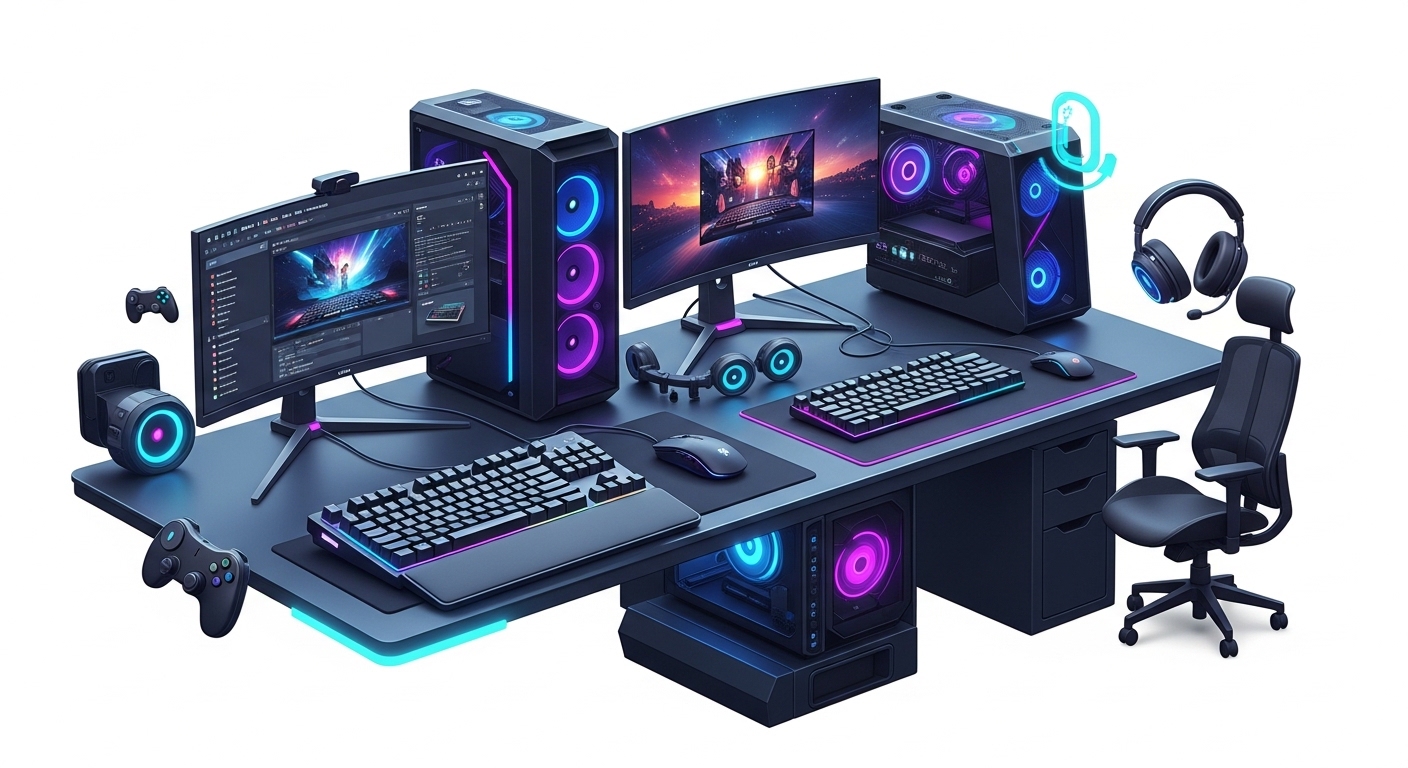
Creating an effective gaming setup requires more than simply purchasing high-end hardware. The arrangement of equipment, the configuration of software settings, and the overall environment all contribute to performance. A well-designed setup minimizes distractions and allows players to focus entirely on the game.
One important factor is monitor placement. Positioning the screen at eye level helps reduce neck strain and ensures that players maintain proper posture. Many competitive gamers also prefer dual-monitor setups, allowing them to stream, monitor chats, or track game statistics without interrupting gameplay on the main screen.
Lighting and desk organization also play significant roles in creating a comfortable gaming environment. Adequate lighting prevents eye strain during long sessions, while cable management keeps the workspace clean and organized. These seemingly small details contribute to a more professional and distraction-free gaming setup.
The Role of High-Performance Gear in Esports
Esports has transformed gaming into a global competitive industry with millions of viewers and professional players. In such a high-stakes environment, the smallest hardware advantages can influence the outcome of a match. As a result, professional gamers often invest heavily in specialized equipment designed to deliver maximum precision and reliability.
High-refresh-rate monitors, for instance, are widely used in esports competitions because they display more frames per second than standard monitors. This allows players to react more quickly to visual changes on screen. Similarly, gaming mice with extremely low latency ensure that every movement translates instantly into in-game actions.
Headsets also play a crucial role in esports environments. Clear communication between teammates is essential for coordinated strategies, and high-quality microphones ensure that instructions are transmitted accurately. At the same time, immersive audio allows players to detect subtle sound cues that might otherwise go unnoticed.
Ergonomics and Comfort in Modern Gaming Gear
While performance features often dominate discussions about gaming equipment, ergonomics is equally important. Long gaming sessions can place significant strain on the body, particularly on the wrists, neck, and back. Equipment designed with ergonomic principles helps reduce this strain and promotes healthier gaming habits.
Gaming chairs are one example of ergonomic design in action. These chairs often include adjustable lumbar support, reclining backrests, and armrests that can be customized to fit the user’s posture. By supporting the spine properly, they help prevent discomfort during extended gaming sessions.
Similarly, ergonomic keyboards and mouse designs help reduce wrist fatigue. Many gaming mice feature contoured shapes that fit naturally in the hand, while keyboards may include wrist rests to maintain proper alignment. These features demonstrate how comfort and performance can work together to improve the overall gaming experience.
Future Trends in Gaming Equipment and Technology
The future of gaming gear promises exciting innovations as technology continues to advance. Manufacturers are exploring new materials, smarter sensors, and deeper integration with gaming software to create even more responsive and immersive devices. These developments will likely redefine how players interact with games in the coming years.
One emerging trend is the integration of artificial intelligence into gaming equipment. AI-powered software can analyze gameplay patterns and automatically adjust hardware settings for optimal performance. For example, a gaming mouse might dynamically change sensitivity based on the player’s actions within a match.
Virtual and augmented reality technologies are also influencing the development of gaming hardware. Specialized controllers, motion sensors, and haptic feedback devices aim to create more immersive gaming environments. As these technologies mature, they will expand the possibilities of gaming far beyond traditional keyboard-and-mouse setups.
Conclusion: Why Gear TGArchiveGaming Matters for Modern Gamers
Gaming equipment has become a defining factor in the modern gaming experience. From precision peripherals to ergonomic setups, the tools players use can significantly influence both comfort and performance. As games grow more complex and competitive, the demand for high-quality hardware continues to increase.
Resources dedicated to gaming gear analysis play an important role in helping players navigate this evolving landscape. By examining the technologies behind modern equipment and explaining how they affect gameplay, these platforms empower gamers to make informed decisions about their setups. Instead of relying on marketing claims alone, players gain insights into real-world performance and usability.