
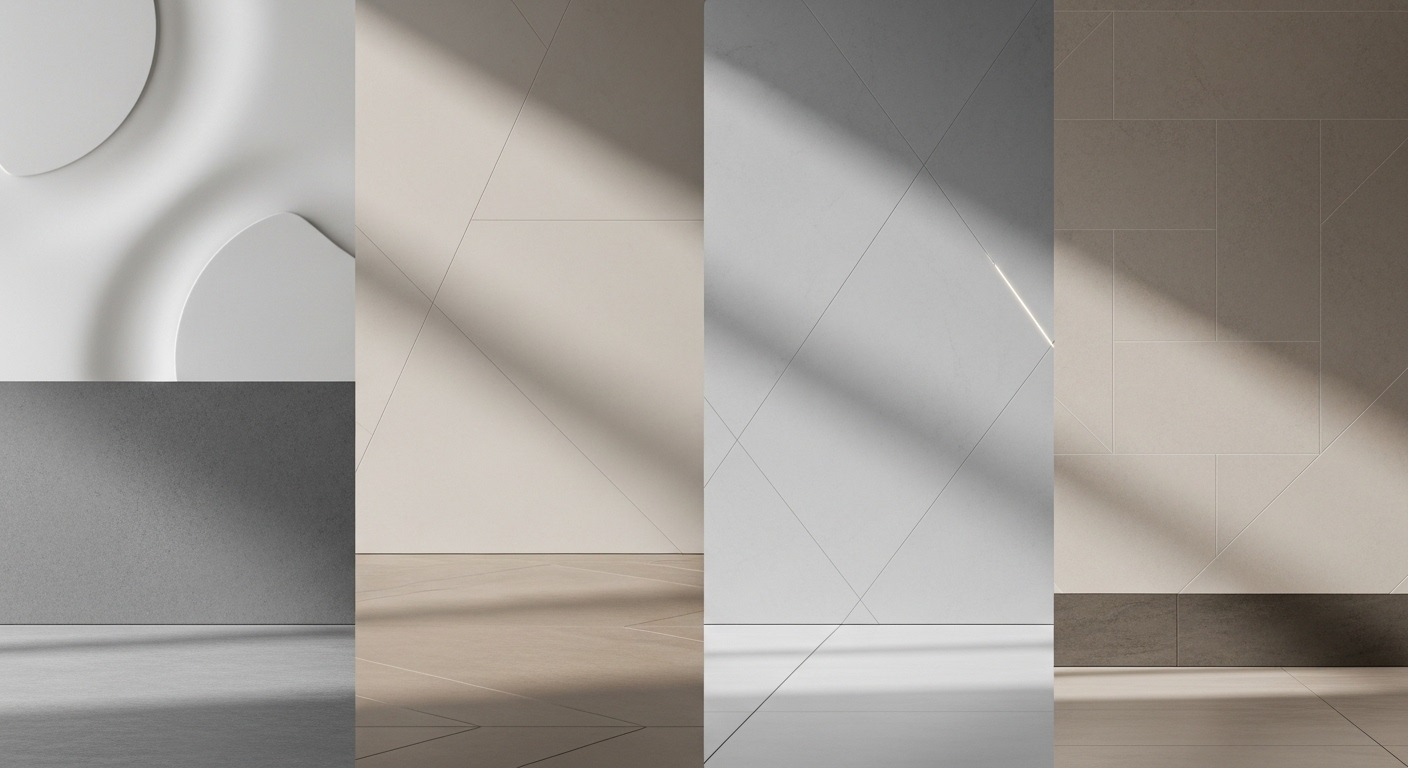
What Is Sodiceram? A Complete Guide to This High-Performance Ceramic Material
Modern industries and interior designers are always looking for materials that are stronger, smarter, and longer-lasting. Traditional ceramics have been used for thousands of years, but many of them can crack, weaken, or lose their strength in extreme heat or pressure. This creates a big problem in factories, construction projects, and even home design. Engineers and material scientists have been searching for a better option that can handle tough conditions while still looking beautiful and modern.
One innovative solution that has gained attention is Sodiceram, a high-performance ceramic material built with advanced technology. Unlike many traditional ceramics that rely heavily on silicates, Sodiceram uses sodium-based compounds to improve strength, durability, and manufacturing efficiency. Because of these properties, the material is now being explored for modern interior design, industrial applications, and specialized engineering environments where reliability is critical.
In this complete guide, you will learn what Sodiceram is, how it works, its main properties, where it is used, and why experts believe it represents the future of advanced ceramic materials.
Understanding Sodiceram
Sodiceram is an advanced ceramic material designed to deliver higher durability, improved thermal stability, and stronger performance compared to traditional ceramic compositions. The name comes from the material’s chemistry, which relies on sodium-based compounds instead of the common silicate structures found in most ceramics.
Traditional ceramics such as porcelain, tiles, and clay-based materials rely on silica and other minerals that are heated to high temperatures. While these materials are useful and widely available, they can become brittle under extreme conditions. Sodiceram addresses this limitation by altering the chemical structure of the ceramic matrix. The result is a stronger and more stable material that can perform well in demanding environments.
Because of its unique formulation, Sodiceram has become a topic of interest among engineers, manufacturers, and designers who want materials that offer both strength and design flexibility.
The Science Behind Sodiceram
To understand why Sodiceram is special, it helps to know how ceramics are made. Ceramics are created by heating natural minerals at extremely high temperatures until they form a hard and durable structure. The exact composition of these minerals determines how the ceramic behaves when exposed to heat, pressure, and chemicals.
Sodiceram uses a different approach by focusing on sodium-based compounds during the material creation process. These compounds help create a more stable internal structure that can resist cracking and deformation. This change in chemistry allows the material to maintain its strength even when exposed to harsh environments.
The innovation also helps simplify certain stages of manufacturing. A streamlined production process can reduce material waste, save time, and lower energy consumption during production. These benefits make Sodiceram appealing not only for its performance but also for its efficiency.
Key Properties of Sodiceram
The popularity of Sodiceram comes from its unique set of physical and chemical properties. These features make it useful in areas where traditional ceramic materials may struggle.
Important properties of Sodiceram include:
- High thermal stability, allowing it to perform well in environments with extreme heat.
- Improved mechanical strength, reducing the risk of cracking or breaking.
- Enhanced durability, meaning the material can last longer than many standard ceramics.
- Efficient manufacturing process, which can reduce time and resource use.
- Design flexibility, making it suitable for both industrial and decorative uses.
These properties allow Sodiceram to serve both functional and aesthetic roles, which is rare for many advanced engineering materials.
Industrial Applications of Sodiceram
One of the most important areas where Sodiceram is used is in industrial environments. Factories, laboratories, and heavy-duty machinery often require materials that can withstand extreme temperatures and mechanical stress.
Sodiceram’s durability makes it suitable for several industrial uses.
High-Temperature Equipment
Many industries, including manufacturing and chemical processing, require materials that remain stable when exposed to heat. Sodiceram’s thermal stability helps prevent damage in high-temperature conditions.
Protective Industrial Components
Ceramic materials are often used to protect machinery from wear and corrosion. Because Sodiceram is stronger than many traditional ceramics, it can serve as a protective layer or component that improves equipment lifespan.
Engineering and Manufacturing Systems
Advanced ceramics are used in specialized manufacturing equipment. Sodiceram’s strength and stability allow engineers to design components that operate reliably even in demanding production environments.
Sodiceram in Modern Interior Design
Although Sodiceram is strong enough for industrial use, it also has visual and design benefits. This makes it attractive for architects and interior designers who want durable materials that also look elegant.
In interior design, Sodiceram can be used for surfaces that must handle daily wear while maintaining a modern appearance.
Flooring
Flooring materials must handle foot traffic, weight, and occasional impacts. Sodiceram surfaces can offer strong resistance to damage while maintaining a sleek look.
Wall Panels
Decorative wall panels made from advanced ceramic materials can add a modern and durable finish to residential or commercial spaces.
Countertops and Surfaces
Kitchens and workspaces need surfaces that resist heat, scratches, and stains. Sodiceram materials can provide durability while maintaining a smooth and stylish appearance.
Decorative Elements
Designers sometimes use advanced ceramics for decorative accents because they combine beauty with durability. Sodiceram can be molded or shaped into unique design elements that enhance modern architecture.
Benefits of Sodiceram Compared to Traditional Ceramics
While traditional ceramics are widely used, they have certain limitations that modern materials try to solve. Sodiceram provides several improvements that make it appealing for new projects.
First, the material offers better resistance to cracking. Traditional ceramics can break when exposed to sudden temperature changes or strong impacts. Sodiceram’s structure helps reduce this risk.
Second, the manufacturing process can be more efficient. Streamlined production methods mean companies may use fewer resources and produce materials more quickly.
Third, Sodiceram offers improved longevity. Because it is more durable, products made with this material can last longer and require fewer replacements over time.
These advantages make Sodiceram a strong candidate for industries and designers looking for next-generation ceramic materials.
Environmental and Efficiency Considerations
Sustainability is becoming an important factor in material science. Manufacturers are looking for ways to reduce waste, lower energy use, and produce longer-lasting materials.
Sodiceram may contribute to these goals because its production process can be more streamlined than traditional ceramic manufacturing. Reduced processing steps can lower energy consumption, which benefits both manufacturers and the environment.
Additionally, materials that last longer create less waste over time. Durable materials do not need to be replaced as often, which can reduce the overall environmental impact of construction and manufacturing projects.
The Former Sodiceram Retail Business
It is important to note that the name Sodiceram has also been associated with a retail business in the past. This company operated as a store specializing in tiles and furniture, particularly products for kitchens and bedrooms.
During its operation, the store accepted payments through checks and debit cards. However, according to official records, the retail business is now permanently closed. While the store itself is no longer active, the name Sodiceram continues to appear in discussions about ceramic materials and design concepts.
This distinction is helpful because some people searching for Sodiceram may be looking for information about the former business, while others are researching the material itself.
Why Sodiceram Matters for the Future
The demand for stronger, smarter, and more efficient materials is growing every year. Industries such as construction, manufacturing, and interior design are constantly evolving, and they require materials that can keep up with modern challenges.
Sodiceram represents a new direction in ceramic technology. By focusing on sodium-based compounds and improved structural stability, the material provides a combination of durability, efficiency, and design flexibility.
As research in advanced materials continues, innovations like Sodiceram may play an important role in shaping the next generation of ceramics. Engineers may continue refining the technology to improve performance, reduce production costs, and expand its applications.
Conclusion
Sodiceram is an innovative high-performance ceramic material that offers improved durability, thermal stability, and manufacturing efficiency compared to many traditional ceramics. By using sodium-based compounds instead of conventional silicates, it creates a stronger internal structure that can withstand demanding environments.
This advanced material is gaining attention in both industrial and design fields. In industry, it provides reliable performance in high-temperature and high-stress conditions. In interior design, it offers a modern and durable solution for surfaces such as floors, walls, and countertops.
Although the name Sodiceram was once associated with a retail tile and furniture store that is now permanently closed, the material itself continues to be discussed as an innovative concept in ceramic technology. As industries continue to look for better materials, Sodiceram stands out as a promising example of how modern engineering can improve traditional materials.
Keep up with Playithic for the latest news and trends!


