Delta Flight DL275 Diverted LAX After Engine Anti-Ice Alert
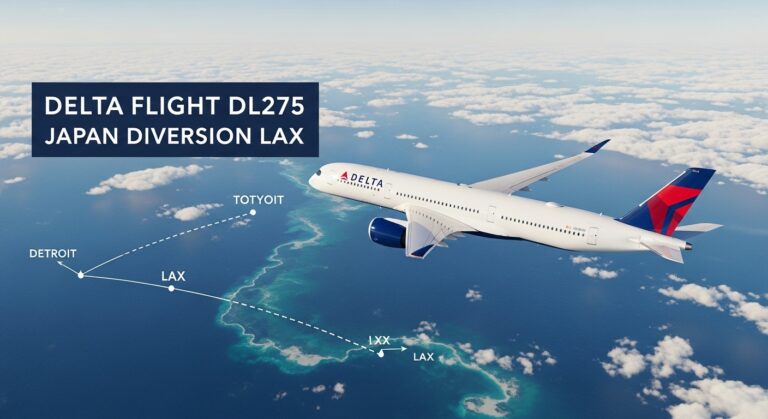
Delta Air Lines flight DL275, traveling from Detroit Metropolitan Airport (DTW) to Tokyo Haneda Airport (HND), was forced to divert to Los Angeles International Airport (LAX) on May 27, 2025, due to a technical issue. This Airbus A350-900 aircraft, registered as N502DN, had been in the air for about five hours over the Pacific Ocean when the crew detected an abnormal indication in the aircraft’s anti-ice system on one of its engines. The decision to divert was made swiftly to ensure passenger safety, and the flight safely landed in Los Angeles at approximately 1:00 AM.
Why DL275 Was Diverted
Flight DL275 was cruising over the Pacific, roughly 620 nautical miles southwest of Anchorage, Alaska, when the pilots noticed irregular readings in the engine’s anti-ice system. Anti-ice systems are critical for preventing ice buildup on aircraft engines, which can affect engine performance and overall flight safety. Upon observing the issue, the crew decided that turning back toward the U.S. West Coast was the safest option. Diversion in aviation is a common safety procedure, prioritizing passengers and crew over schedule adherence.
Aircraft Details
- Aircraft Type: Airbus A350-900
- Registration: N502DN
- Route: Detroit (DTW) to Tokyo Haneda (HND)
- Diversion Airport: Los Angeles International Airport (LAX)
The Airbus A350-900 is known for its fuel efficiency and long-range capabilities, but like all aircraft, it relies on precise systems like anti-ice to operate safely in challenging conditions. The crew’s quick response ensured a safe landing without any reported injuries.
Timeline of the Flight
- Departure from Detroit: Evening of May 26, 2025
- Flight Duration Before Diversion: Approximately 5 hours
- Location of Incident: 620 nautical miles southwest of Anchorage, Alaska
- Diversion Airport: Los Angeles International Airport (LAX)
- Time of Landing: 1:00 AM on May 27, 2025
- Outcome: Passengers rebooked on replacement flights to Tokyo the following day
Passenger Experience
Passengers aboard DL275 experienced an unexpected detour but reported that the crew remained calm and professional throughout the situation. Delta Air Lines provided immediate support, including meal vouchers and assistance with rebooking flights to Tokyo. Diversions can be stressful, especially on long-haul flights, but proactive communication and customer support help manage the disruption.
Key Support Provided to Passengers
- Meal vouchers for all affected passengers
- Assistance with rebooking to Tokyo-bound flights
- Updates and communication from flight crew and Delta representatives
Aviation Safety Protocols
This incident highlights the importance of aviation safety protocols. Pilots undergo rigorous training to handle unexpected technical issues, and airlines maintain strict maintenance schedules to minimize risks. The decision to divert a flight is never taken lightly and is always guided by safety first. Anti-ice system malfunctions, while rare, are treated as urgent due to the potential risks of ice buildup on engines, which can lead to reduced thrust or engine damage.
Importance of Anti-Ice Systems
Aircraft anti-ice systems prevent ice from forming on engine inlets and wings. Ice accumulation can disrupt airflow, reduce lift, and affect engine performance. Modern aircraft like the Airbus A350-900 are equipped with highly advanced sensors to detect any abnormal conditions in these systems. The alert on DL275 prompted the pilots to follow standard safety procedures, ultimately preventing potential hazards.
Delta Air Lines Response
Delta Air Lines responded quickly to ensure the safety and comfort of its passengers. The airline’s protocol involves:
- Immediate diversion to the nearest suitable airport
- Coordination with ground crews for passenger assistance
- Transparent communication regarding delays and technical issues
- Offering compensation, meals, and accommodations if necessary
This level of preparedness reflects Delta’s commitment to aviation safety and passenger care.
Lessons from DL275 Diversion
The diversion of Delta Flight DL275 provides valuable lessons for travelers and aviation enthusiasts:
- Aircraft systems are continuously monitored, and any anomalies are treated seriously.
- Pilots are trained to make quick decisions that prioritize safety over schedule.
- Airlines have contingency plans in place to minimize inconvenience for passengers.
- Communication and support from airlines significantly improve passenger experience during diversions.
Future Flights and Passenger Assurance
Passengers affected by the diversion were accommodated on replacement flights the following day. Delta ensured that all travelers reached Tokyo safely, maintaining transparency and customer satisfaction. This incident serves as a reminder that modern aviation is built with safety redundancies, allowing crews to respond effectively even in mid-flight emergencies.
Conclusion
Delta Flight DL275’s diversion to LAX after an anti-ice system alert demonstrates the airline’s commitment to passenger safety and adherence to aviation best practices. While diversions may be inconvenient, they are essential for preventing potential in-flight emergencies. Thanks to the professionalism of the Delta crew and the aircraft’s advanced safety systems, all passengers arrived safely, and follow-up travel arrangements were handled efficiently. Safety always comes first, and incidents like DL275 highlight the importance of well-maintained aircraft, trained pilots, and responsive airline protocols.
Passengers traveling on international flights can be assured that airlines like Delta have robust systems in place to handle unexpected situations, ensuring that every journey is as safe and comfortable as possible.
Keep up with Playithic for the latest news and trends!