United Flight UA967 Diverted Mid-Air—Passengers Report Burning Smell
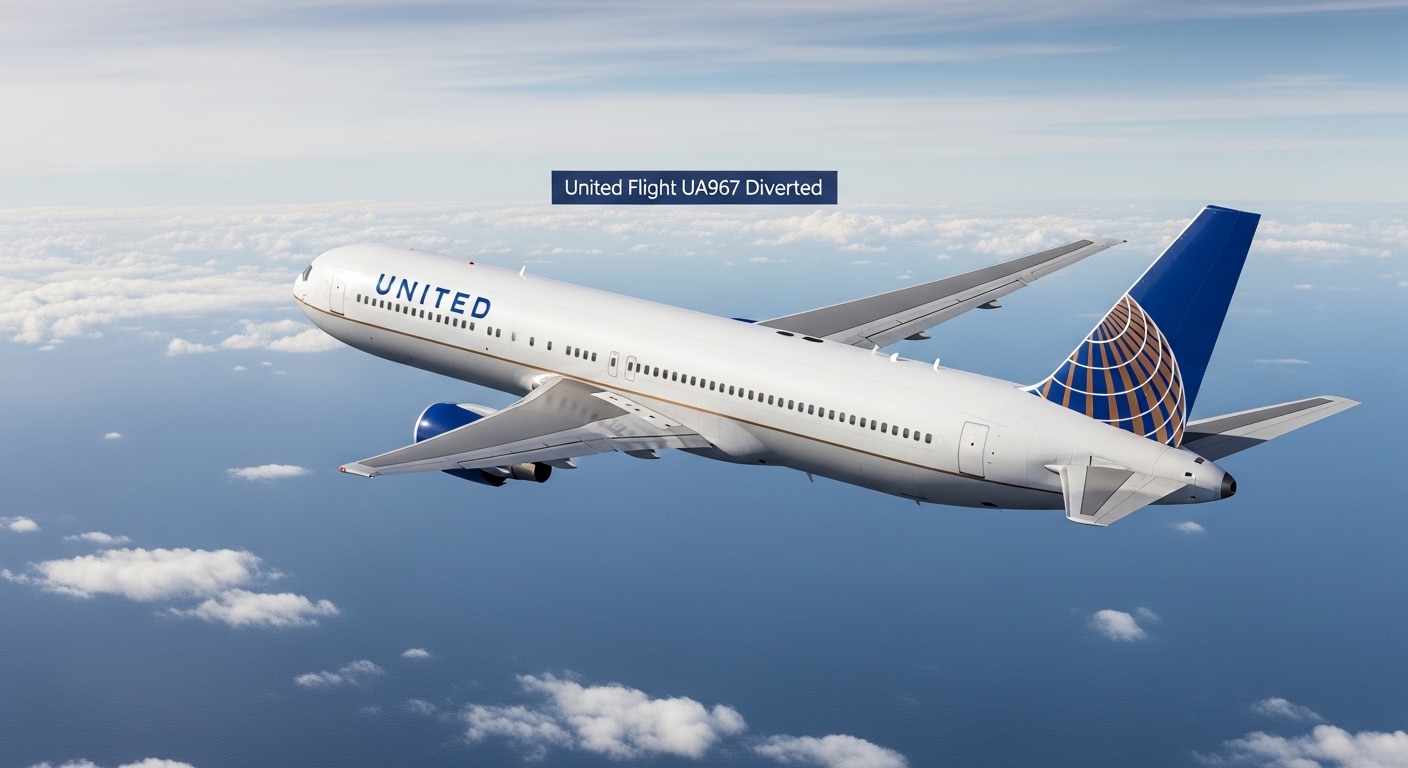
United Airlines Flight UA967 made headlines after it was diverted mid-air due to a reported burning smell inside the aircraft. The flight was traveling from Naples, Italy, to Newark, New Jersey, when the crew declared an emergency and diverted the plane to St. John’s International Airport in Newfoundland, Canada.
This incident raised concerns among travelers, aviation experts, and airline passengers worldwide. However, the flight landed safely, and no injuries were reported. This article explains what happened, why the flight was diverted, and what it means for aviation safety.
Overview of United Flight UA967 Diversion
United Flight UA967 was operating a transatlantic route between Naples (NAP) and Newark (EWR). The aircraft involved was a Boeing 767-300ER, a wide-body jet commonly used for long-haul flights.
During the flight, the crew detected a burning odor in the cockpit and cabin. Following strict aviation safety procedures, the pilots declared an emergency and diverted the flight to St. John’s, a major transatlantic diversion airport in Canada.
The aircraft landed without further problems, and passengers were later transported to Newark on a replacement flight.
What Caused the Burning Smell on UA967?
A burning smell on an aircraft is treated as a serious issue because it could indicate electrical problems, overheating equipment, or potential fire risks.
In the case of United Flight UA967, the burning odor was linked to a technical issue involving the aircraft’s forward equipment exhaust fan. This system is responsible for cooling electronic equipment and circulating air inside the plane. When such components overheat or malfunction, they can produce unusual smells and warning alerts.
The crew followed safety checklists, consulted maintenance teams, and decided to divert the flight as a precautionary measure. After landing, technicians replaced the faulty equipment, confirming it was a mechanical issue rather than a fire.
Timeline of the UA967 Incident
Below is a detailed timeline of key events during the United Flight UA967 diversion:
| Event | Date & Time | Details |
|---|---|---|
| Departure from Naples | August 24, 2025 | Flight departed about 3 hours late due to weight restrictions |
| Burning smell detected | Mid-flight over the Atlantic | Pilots and passengers reported an unusual odor |
| Emergency declared | Mid-flight | Crew consulted maintenance and initiated diversion |
| Diversion airport selected | August 24, 2025 | St. John’s International Airport (YYT), Canada |
| Safe landing | Evening August 24, 2025 | Aircraft landed without injuries or damage |
| Replacement flight | August 25, 2025 | Passengers transported to Newark on another aircraft |
This timeline shows how aviation crews handle unexpected technical issues quickly and safely.
Why St. John’s Was Chosen as the Diversion Airport
St. John’s International Airport in Newfoundland is one of the most common diversion airports for transatlantic flights. It is located strategically between Europe and North America, making it ideal for emergencies.
Pilots choose diversion airports based on several factors, including runway length, weather conditions, and emergency support services. St. John’s has the infrastructure to handle large aircraft like the Boeing 767 and offers quick technical and medical support.
Passenger Experience During the Diversion
Passengers on United Flight UA967 experienced a delayed journey and unexpected landing in Canada. Some reported noticing the burning smell in the cabin, which caused concern.
Despite the situation, the crew handled the event professionally. Passengers were informed about the diversion and reassured that safety was the top priority. After landing, they were provided with accommodations and rebooking options to continue their journey to Newark.
Safety Measures Taken by the Crew
The flight crew followed strict safety protocols to minimize risk.
Key Safety Steps Taken
- Shut down certain power sources and seatback entertainment systems
- Followed cabin air quality checklists
- Consulted United Airlines maintenance control teams
- Declared an emergency to receive priority landing clearance
- Diverted to the nearest suitable airport
These actions helped ensure that the situation did not escalate into a serious emergency.
Flight and Aircraft Details
United Flight UA967 is a long-haul international route connecting Europe and the United States. The Boeing 767-300ER used for the flight is a reliable aircraft but, like all machines, requires regular maintenance.
| Flight Detail | Information |
|---|---|
| Flight Number | UA967 |
| Airline | United Airlines |
| Route | Naples (NAP) → Newark (EWR) |
| Aircraft Type | Boeing 767-300ER |
| Diversion Airport | St. John’s International Airport (YYT) |
| Date of Incident | August 24, 2025 |
| Injuries | None reported |
Was This a Serious Emergency?
Although the situation was serious enough to require an emergency declaration, it was handled safely. Aviation authorities recommend diverting flights whenever there is uncertainty about mechanical or electrical issues, especially over the ocean where emergency landing options are limited.
Declaring an emergency does not always mean the plane is in immediate danger. It simply ensures that the aircraft receives priority landing and emergency services if needed.
Past Diversions of United Flight UA967
United Flight UA967 has experienced diversions in the past for various reasons, including refueling stops due to strong headwinds and turbulence incidents. These events highlight how long-haul flights face unpredictable conditions such as weather and technical challenges.
Diversions are common in aviation and are considered a normal safety practice rather than a sign of poor safety standards.
Why Burning Smells on Planes Are Taken Seriously
Burning smells on aircraft can indicate electrical faults, overheating components, or air system problems. Even minor issues can become serious if ignored, so pilots are trained to act quickly.
Aviation safety procedures require crews to investigate any unusual smell and divert if necessary. This proactive approach is why commercial aviation remains one of the safest modes of transportation.
How Airlines Handle Technical Diversions
When a flight is diverted, airlines follow a structured process to minimize passenger disruption and ensure safety.
Typical Diversion Procedure
- Identify the technical issue
- Consult maintenance and airline operations teams
- Choose the nearest suitable diversion airport
- Inform passengers about the situation
- Arrange alternative flights or accommodations
United Airlines followed these steps during the UA967 incident, ensuring passengers reached their destination safely.
Impact on Passengers and Schedule
The diversion caused significant delays for passengers traveling from Naples to Newark. Some travelers arrived more than 10 hours late due to the emergency landing and aircraft change.
However, safety always takes priority over punctuality. Airlines prefer delays over risking passenger safety.
What This Incident Means for Aviation Safety
The UA967 diversion highlights how aviation safety systems work in real life. Even a minor technical issue can trigger multiple layers of safety checks, crew coordination, and emergency planning.
This incident also shows the importance of maintenance and real-time monitoring systems in modern aircraft. By detecting potential problems early, airlines can prevent accidents and ensure passenger safety.
Frequently Asked Questions
Why was United Flight UA967 diverted?
The flight was diverted due to a burning smell caused by a mechanical issue involving the aircraft’s equipment cooling system.
Did anyone get injured on UA967?
No injuries were reported. The plane landed safely in St. John’s, Canada.
What aircraft was used for UA967?
The flight was operated by a Boeing 767-300ER wide-body aircraft.
Did passengers reach Newark after the diversion?
Yes, passengers were later transported to Newark on a replacement flight.
Conclusion
United Flight UA967’s diversion mid-air due to a burning smell demonstrates how modern aviation prioritizes safety above all else. The crew followed strict protocols, diverted to a safe airport, and ensured passengers reached their destination without harm.
While such incidents can be alarming, they are also proof that airline safety systems are effective. Diversions are a normal part of aviation operations and show that pilots and airlines are trained to act quickly and responsibly.
Keep up with Playithic for the latest news and trends!