Nerwey: A Modern Framework for Smart Digital Transformation
Digital transformation is no longer a luxury for organizations—it has become a necessity. Businesses today face constant pressure to improve efficiency, enhance customer experiences, and adapt quickly to technological changes. However, many companies struggle to integrate complex digital systems into their everyday operations. This is where Nerwey emerges as a powerful concept and platform designed to simplify the journey toward smarter, more adaptive digital ecosystems.
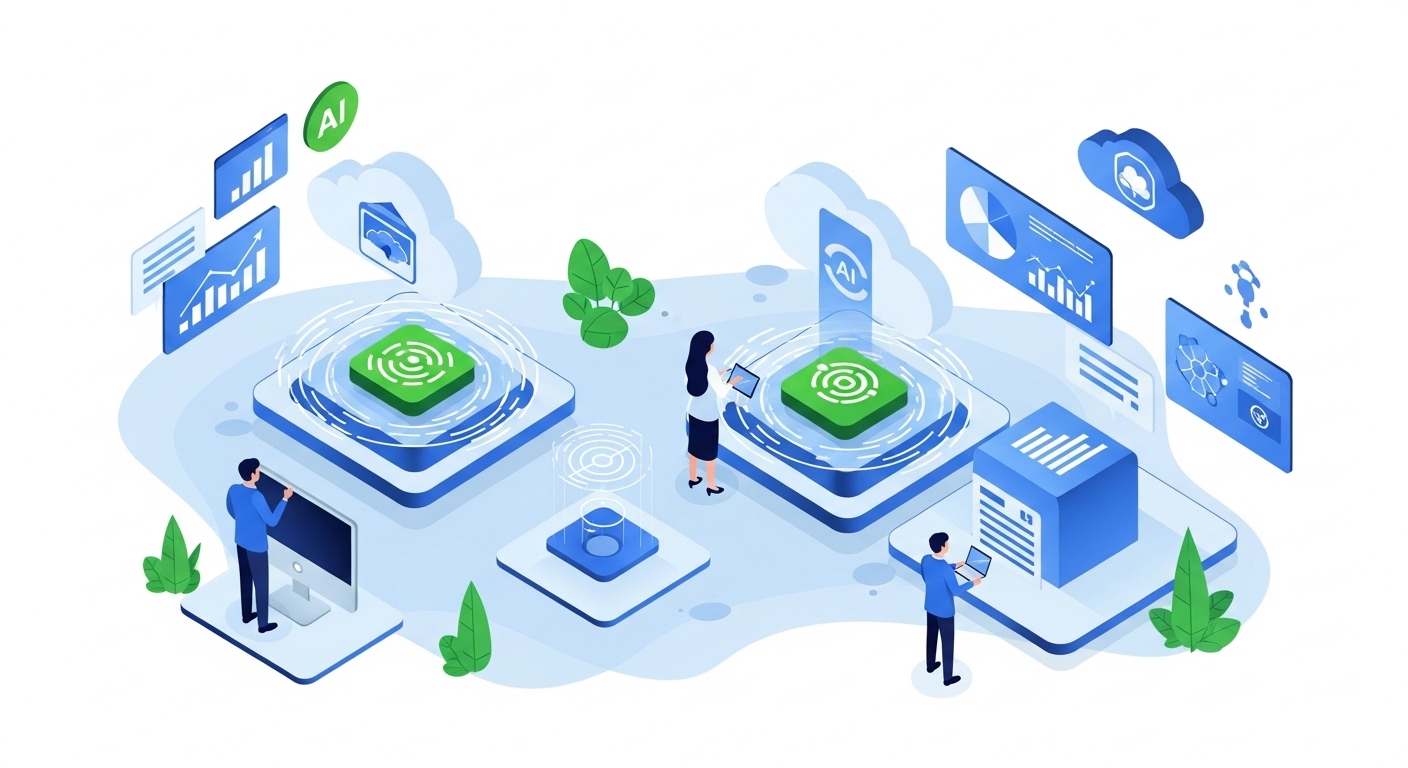
At its core, the framework focuses on bridging the gap between advanced technology and practical business use. Instead of overwhelming organizations with complicated tools, it emphasizes human-centric design, scalable architecture, and intuitive interfaces that make technology easier to adopt. By combining artificial intelligence, cloud collaboration, and secure data infrastructure, the platform helps organizations modernize their operations while remaining flexible and efficient.
What makes this approach particularly valuable is its adaptability across industries. From retail and healthcare to enterprise management and digital services, businesses can customize the framework to match their specific needs. This ability to align advanced technologies with real-world applications allows organizations to streamline processes, improve decision-making, and create sustainable digital strategies.
In the sections below, we’ll explore the concept in detail—its technology, benefits, applications, and why it has become an increasingly relevant approach for organizations navigating modern digital transformation.
Understanding the Concept Behind Nerwey
The idea behind Nerwey revolves around simplifying digital transformation while maintaining powerful technological capabilities. Many businesses adopt new technologies only to discover that they require complex implementation processes or specialized technical teams. This framework aims to reduce that barrier by offering tools and structures designed to be intuitive and adaptable.
Rather than focusing solely on technology, the approach emphasizes a balance between human needs and digital systems. Organizations often fail in transformation efforts when technology becomes disconnected from everyday workflows. By prioritizing user-friendly interfaces and flexible configurations, the platform allows employees to integrate digital tools seamlessly into their routines.
Another important aspect is its modular design philosophy. Businesses rarely have identical requirements, and a one-size-fits-all solution rarely works. With modular components, companies can adopt features gradually, expanding their digital infrastructure over time without major disruptions. This approach ensures that transformation remains manageable, scalable, and aligned with long-term business objectives.
Core Technologies Powering the Nerwey Platform
One of the most significant strengths of Nerwey lies in its integration of modern technologies that work together to support digital operations. These technologies form the foundation that enables organizations to automate processes, analyze data, and collaborate efficiently across different departments.
Artificial intelligence plays a central role within the framework. AI-driven systems analyze user behavior, operational trends, and performance data to generate actionable insights. Businesses can use these insights to optimize workflows, personalize customer experiences, and make better strategic decisions. Machine learning algorithms continuously improve the system’s accuracy, ensuring that insights become more reliable over time.
Another essential technological element is cloud infrastructure. Cloud computing allows organizations to store, manage, and access data from virtually anywhere. Teams located in different cities—or even different countries—can collaborate in real time using shared resources. This flexibility not only increases productivity but also ensures that businesses can scale their digital operations quickly as they grow.
AI and Personalization Capabilities in Nerwey
Artificial intelligence has become a cornerstone of modern digital platforms, and Nerwey leverages it to deliver highly personalized and efficient digital experiences. Instead of relying solely on manual analysis, the system uses advanced algorithms to interpret data patterns and recommend improvements in real time.
For example, businesses can use AI-powered analytics to monitor customer behavior, operational efficiency, or sales trends. By analyzing these data points, the platform can provide actionable recommendations that help companies refine their strategies. Retailers might discover purchasing trends, while service providers may identify areas where customer experiences can be improved.
Personalization is another key benefit. Modern customers expect tailored experiences, whether they are shopping online or interacting with digital services. AI-driven tools allow organizations to customize interactions based on user preferences, browsing behavior, and previous engagement. This level of personalization helps businesses build stronger relationships with their audiences while increasing overall satisfaction.
Cloud-Based Collaboration and Remote Productivity
The shift toward remote work and distributed teams has made collaboration tools more important than ever. Cloud-based collaboration is one of the defining features within the Nerwey ecosystem, enabling organizations to work efficiently regardless of geographical boundaries.
With cloud infrastructure, teams can share files, manage projects, and communicate through a unified digital environment. Instead of relying on isolated software tools, employees access a centralized platform where information is continuously updated and accessible to everyone involved. This eliminates confusion caused by outdated files or disconnected workflows.
Another major advantage is real-time collaboration. Multiple team members can contribute to the same project simultaneously, improving productivity and decision-making speed. Managers can monitor progress, assign tasks, and analyze performance metrics from a single dashboard. This level of transparency encourages accountability and ensures that projects remain aligned with organizational goals.
Scalability and Security in the Nerwey Ecosystem
For any digital platform, scalability and security are critical considerations. Businesses need systems that can grow alongside their operations while protecting sensitive data from potential threats. The architecture behind Nerwey addresses both concerns through advanced infrastructure design.
Scalability is achieved through modular components that allow organizations to expand their digital capabilities gradually. Companies can start with a basic implementation and add new features as their needs evolve. This flexibility prevents unnecessary expenses and ensures that technology investments remain sustainable over time.
Security is equally important. Modern digital platforms handle massive amounts of data, including customer information, financial records, and operational insights. The system employs advanced encryption protocols and secure authentication mechanisms to protect this data. By integrating strong security practices at every level, businesses can confidently manage digital operations while maintaining compliance with industry regulations.
Customization Across Industries and Business Needs
One of the reasons Nerwey stands out in the digital transformation landscape is its adaptability across industries. Different sectors face unique challenges, and a flexible platform is essential for addressing those specific needs effectively.
In the retail sector, businesses can customize digital tools to manage inventory, analyze consumer behavior, and optimize supply chain processes. Retailers benefit from improved accuracy in stock management, helping them avoid shortages or overstocking. This streamlined approach leads to better operational efficiency and increased customer satisfaction.
Healthcare organizations also benefit from customized digital frameworks. Managing patient data securely while complying with regulatory requirements is a complex task. With adaptable systems, healthcare providers can organize medical records, analyze treatment outcomes, and improve administrative processes without compromising data security.
Key Business Benefits of Nerwey Adoption
Organizations that implement Nerwey often experience measurable improvements in efficiency, collaboration, and decision-making. By combining advanced technology with practical usability, the platform provides several key advantages that help businesses remain competitive in a digital-first environment.
Some of the most notable benefits include:
- Improved operational efficiency through automation and intelligent data analysis.
- Better collaboration with cloud-based tools that connect teams across locations.
- Scalable digital infrastructure that grows alongside business needs.
- Enhanced data security using modern encryption and authentication protocols.
- Personalized customer experiences powered by AI-driven insights.
- Industry-specific customization allowing organizations to tailor digital tools to their workflows.
These advantages contribute to stronger productivity and improved strategic planning. Businesses gain the ability to respond quickly to market changes while maintaining consistent operational performance. Over time, this adaptability becomes a key factor in sustaining long-term growth.
Sustainability and the Future of Nerwey
Sustainability is becoming a major priority for organizations worldwide, and digital transformation strategies increasingly reflect this focus. Nerwey encourages eco-friendly digital practices by promoting efficient resource usage and reducing unnecessary technological waste.
Cloud-based infrastructure reduces the need for extensive physical hardware, lowering energy consumption and operational costs. Centralized systems also allow businesses to monitor and optimize their resource usage more effectively. This contributes to both environmental sustainability and financial efficiency.
Looking ahead, digital transformation frameworks will likely become even more integrated with emerging technologies such as advanced analytics, automation, and intelligent decision-support systems. Platforms built around adaptable architectures will remain highly valuable because they allow organizations to evolve alongside technological innovation. By focusing on flexibility and sustainability, modern digital frameworks help businesses stay prepared for the rapidly changing future of technology.
Conclusion
Digital transformation is one of the defining challenges and opportunities for modern organizations. Businesses must find ways to integrate advanced technology into everyday operations without creating unnecessary complexity or disrupting productivity. Platforms like Nerwey provide a structured yet flexible approach to achieving this balance.
By combining artificial intelligence, cloud collaboration, scalable infrastructure, and strong security protocols, the framework offers a comprehensive solution for organizations seeking smarter digital operations. Its emphasis on human-centric design ensures that technology supports people rather than overwhelming them, making adoption easier and more effective.
Keep up with Playithic for the latest news and trends!